Make the ritual smaller than your resistance
A daily practice succeeds through return, not intensity. Keep the complete ritual under five minutes: arrive, ask one question, draw one card, write two lines, and close the deck. A small container makes it possible to continue on ordinary mornings.
Choose a stable cue such as the first drink of the day or the moment before opening your calendar. The cue matters more than candles, music, or a perfect room. Atmosphere can support attention, but it should not become a requirement.
Use a question that can survive the day
Ask “What quality should I bring to today?” or “What deserves my attention?” These prompts are broad enough to remain relevant and narrow enough to review later. Avoid asking for a complete forecast of every event.
If you wake with a specific concern, name it. A daily draw is not less meaningful because it addresses an email, meeting, or boundary. The practice becomes trustworthy when it can meet real life at its actual scale.
Record observation before interpretation
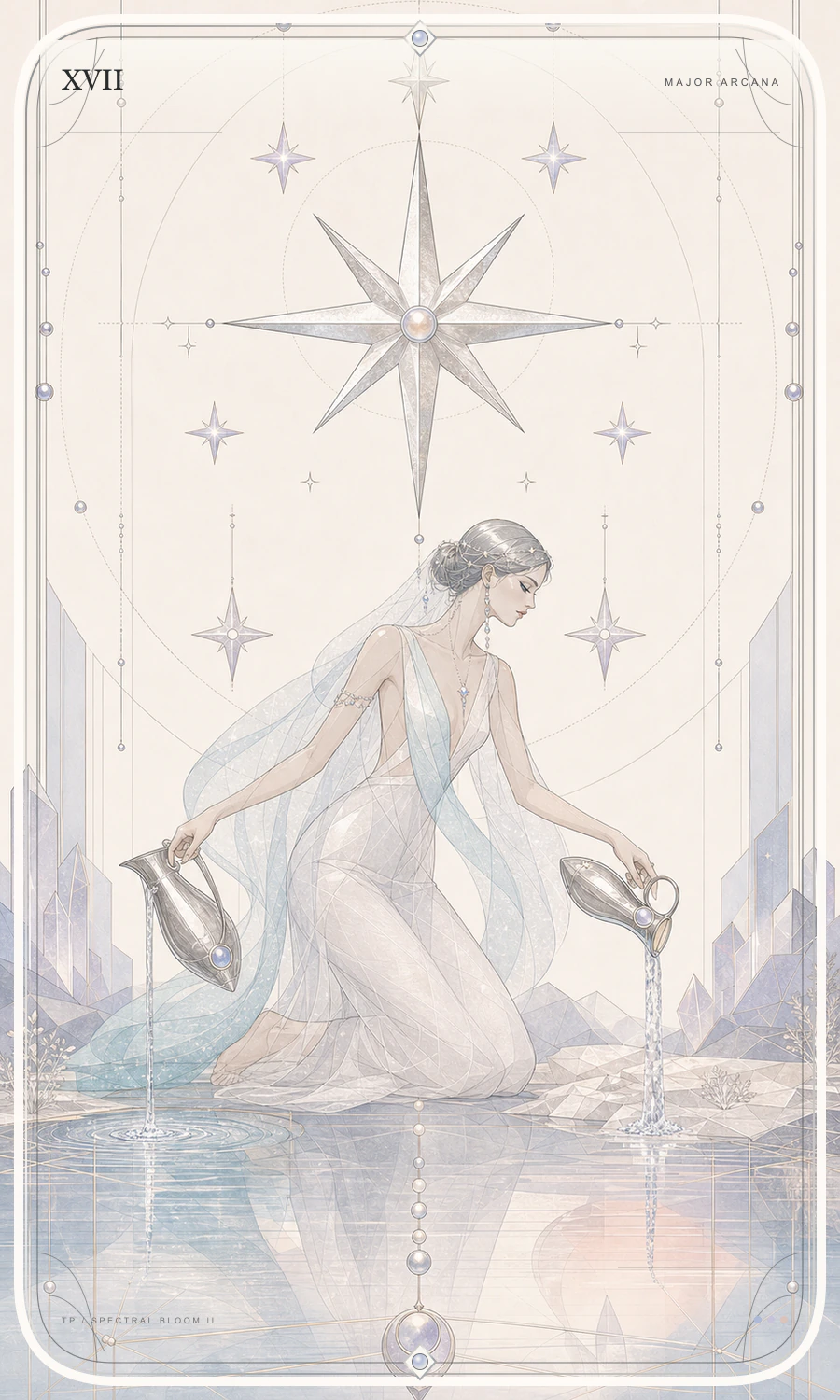
Write one thing you literally see in the image and one feeling or thought it evokes. Only then add the card’s familiar meaning. This order trains visual attention and prevents a memorized keyword from closing the reading too soon.
For example: “A figure is carrying more than they can comfortably hold. I feel pressure in my shoulders. Ten of Wands: effort has become burden.” The first two sentences make the final interpretation specific rather than generic.
Turn the card into an experiment
Choose one observable experiment for the day. With Temperance, adjust the pace of one task. With Justice, verify a fact before reacting. With the Four of Cups, notice an offer you would normally dismiss. The experiment lets the card become a lens without treating it as a command.
Keep the action reversible and proportionate. Tarot should not pressure you into a major purchase, breakup, diagnosis, or financial move. Important decisions still need evidence, time, and appropriate professional help.
Review without forcing a match
At the end of the day, write what resonated and what did not. A card does not need to predict a visible event to be useful, and every event does not need to be bent until it resembles the card. Honest misses teach interpretation as much as satisfying matches.
After seven days, look for repeated suits, emotional responses, and question themes. The pattern may reveal more about your attention than about fate. That is valuable: attention shapes the choices you are able to see.
Know when not to draw again
If the first card is uncomfortable, sit with it before drawing a clarifier. Ask what is unclear: the image, the position, or your reaction? A second card should answer a precise follow-up, not erase the first.
Pause the practice when drawing increases anxiety or becomes a way to avoid action. You can keep the ritual and remove the card: write the question, take one breath, and name the smallest next step. A healthy practice remains optional.