FOUNDATIONS / 0111 MIN READ
How to Read Tarot Cards: A Clear Practice for Beginners
A grounded way to move from image, to pattern, to a useful interpretation without trying to predict a fixed future.
Read the guideTAROT POEM / JOURNAL 01
Deep, practical essays on tarot imagery, history, spreads, ethics, and the rituals that make a reading useful.
RSS feed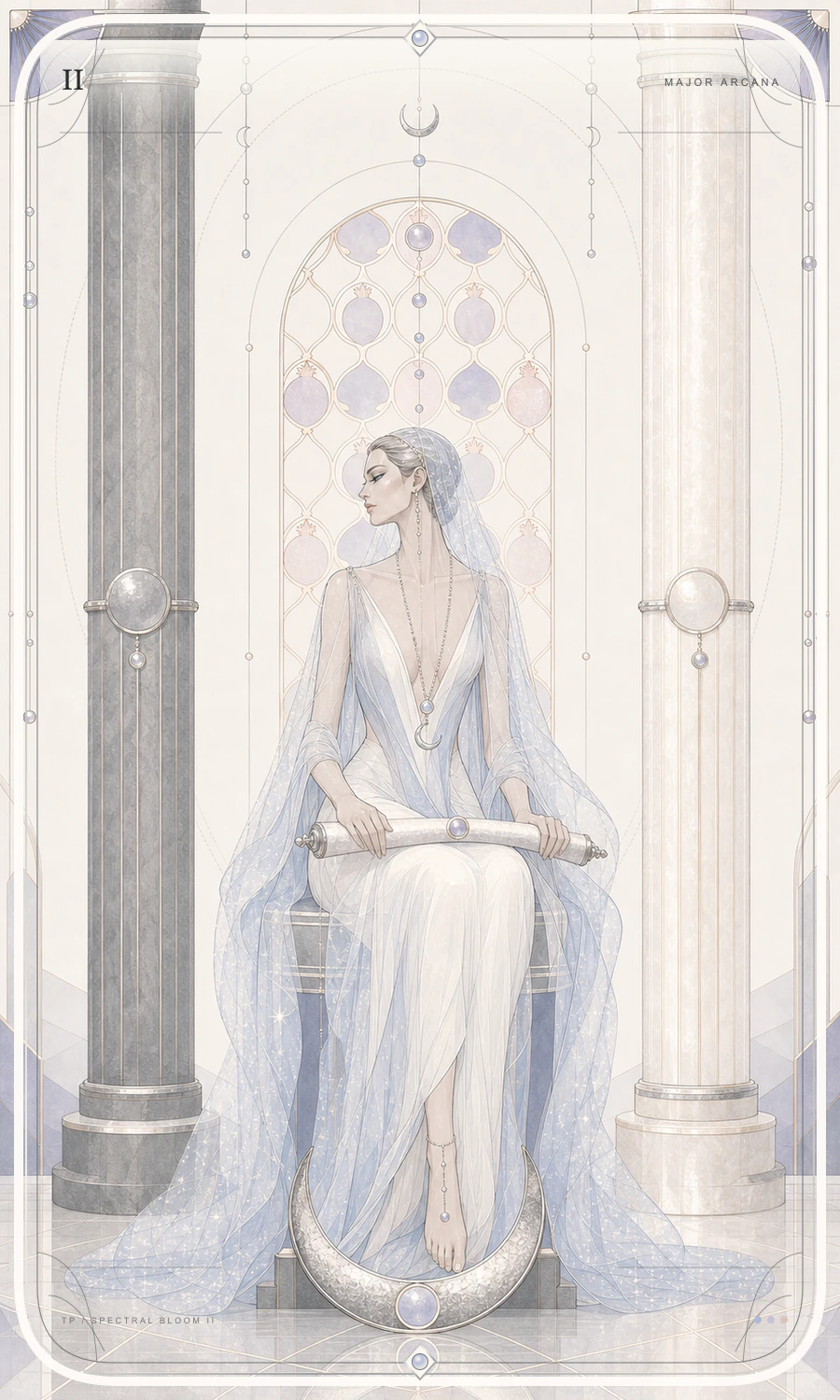
A grounded way to move from image, to pattern, to a useful interpretation without trying to predict a fixed future.
Read the guideTHE COMPLETE EDITION
10 ESSAYS / UPDATED AUGUST 2026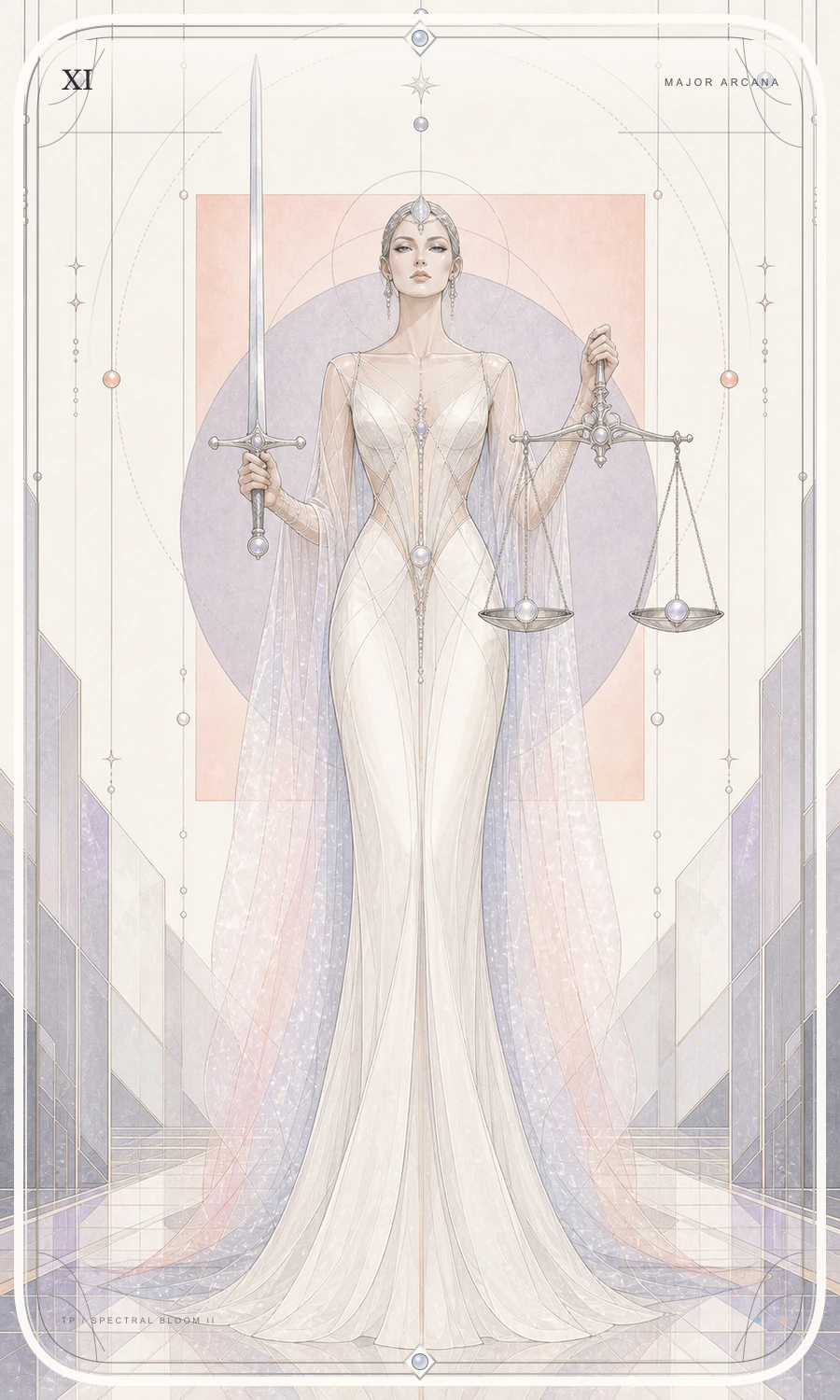
The quality of a reading often changes before the first card appears. Learn to frame questions that create insight and choice.
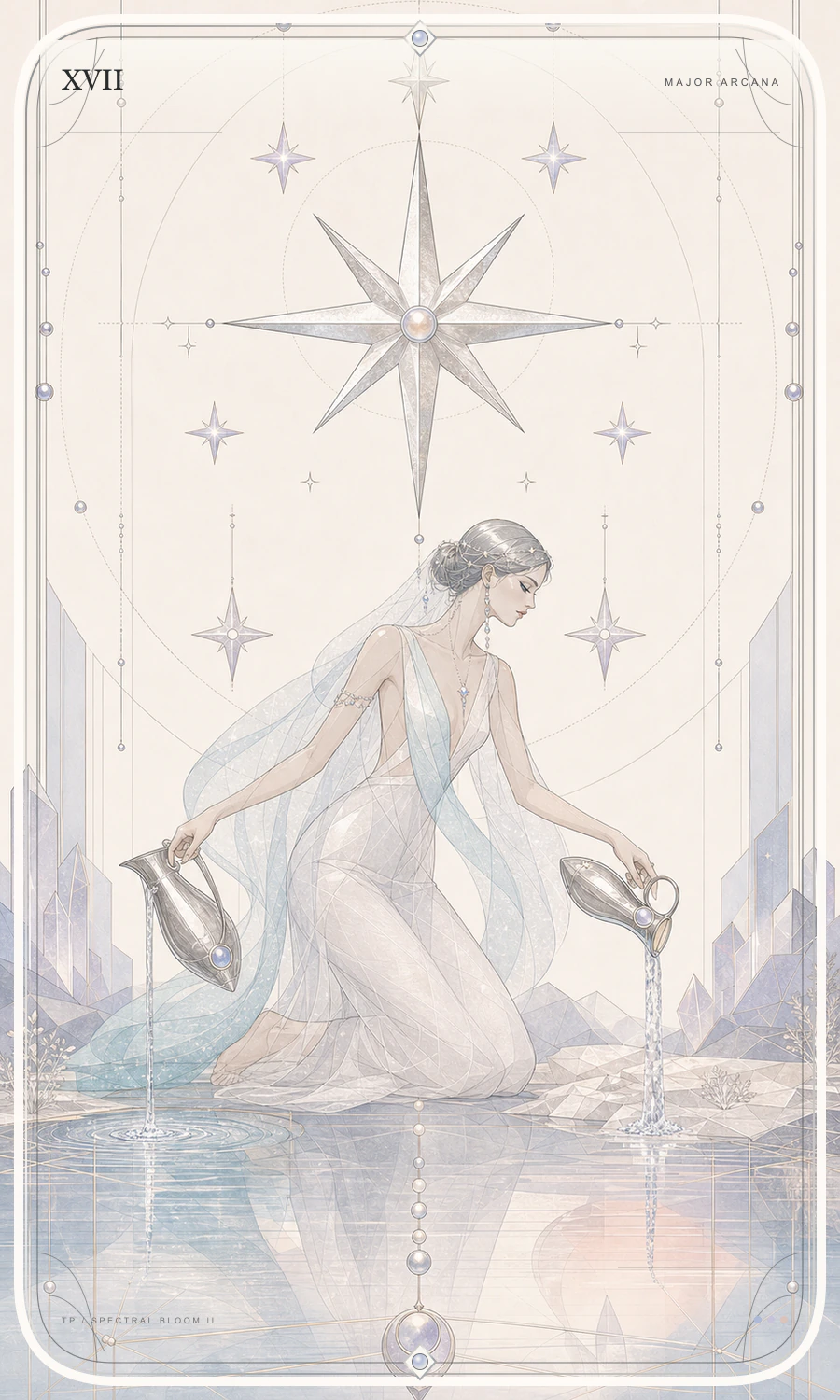
A five-minute daily draw can build fluency and self-awareness if it is designed around observation rather than prediction.
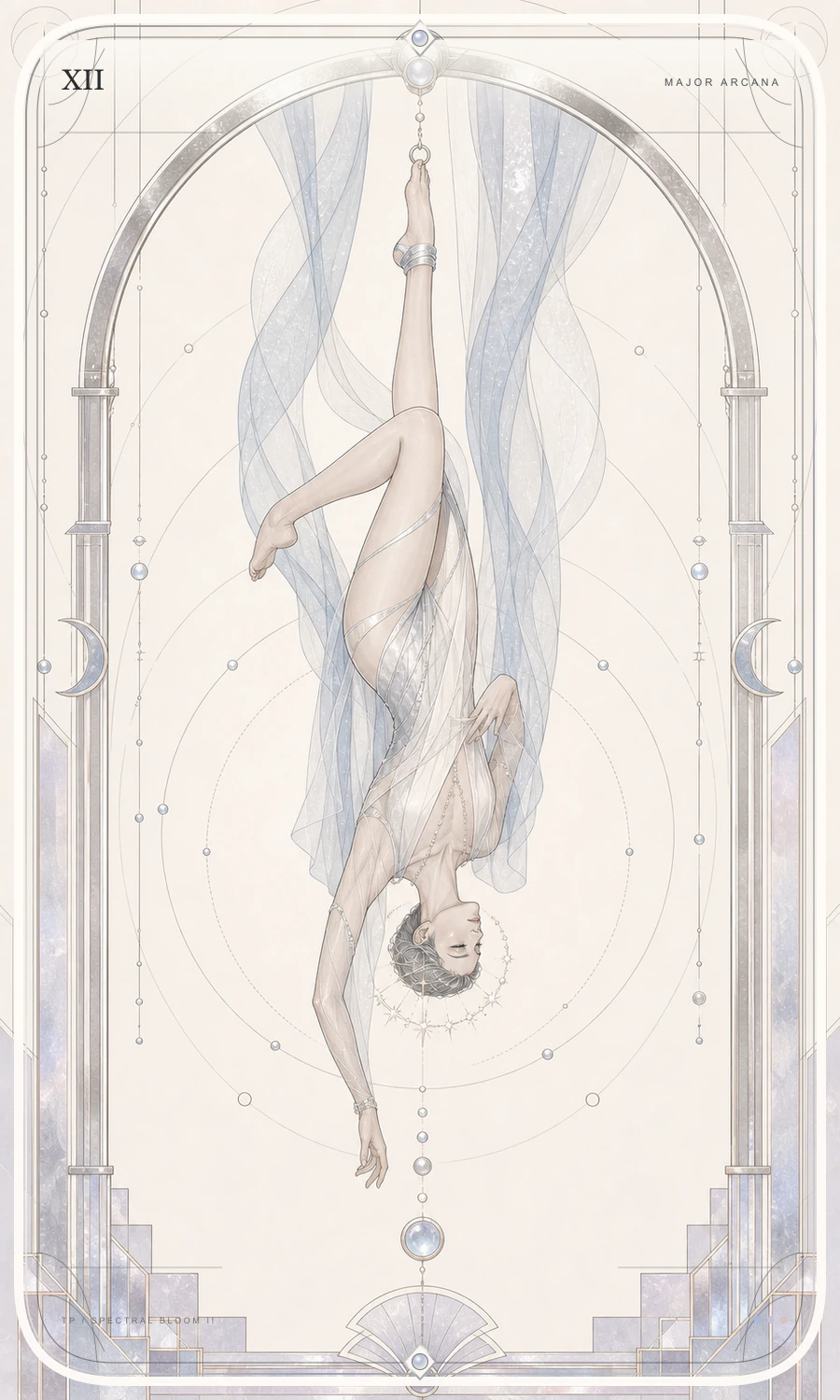
Reversed cards do not have to mean the opposite or something bad. Use a consistent model to read direction, blockage, intensity, and perspective.
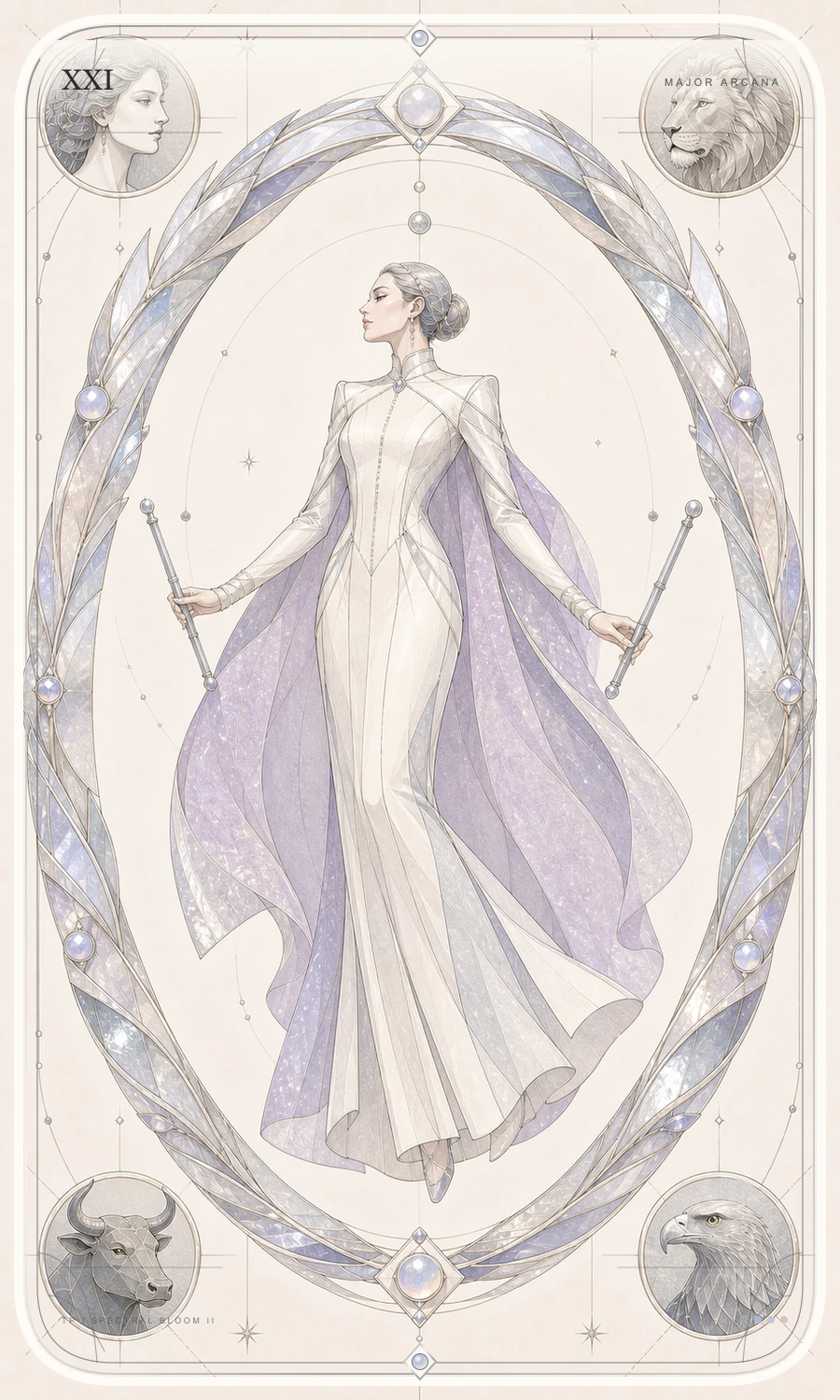
Understand the architecture of the deck so each card arrives with context before you reach for a definition.
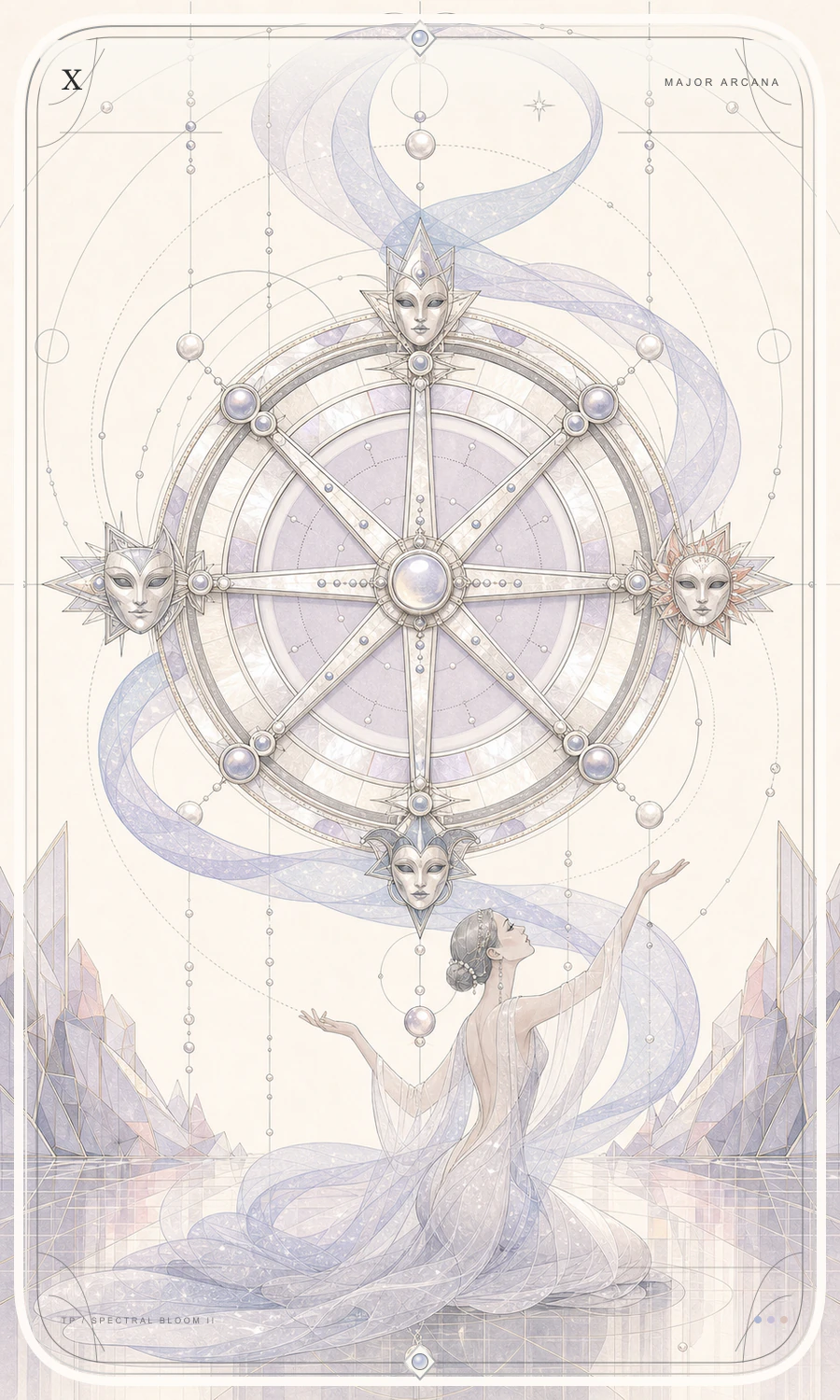
Three cards are enough to create movement, contrast, and advice. The key is reading the relationship between positions.
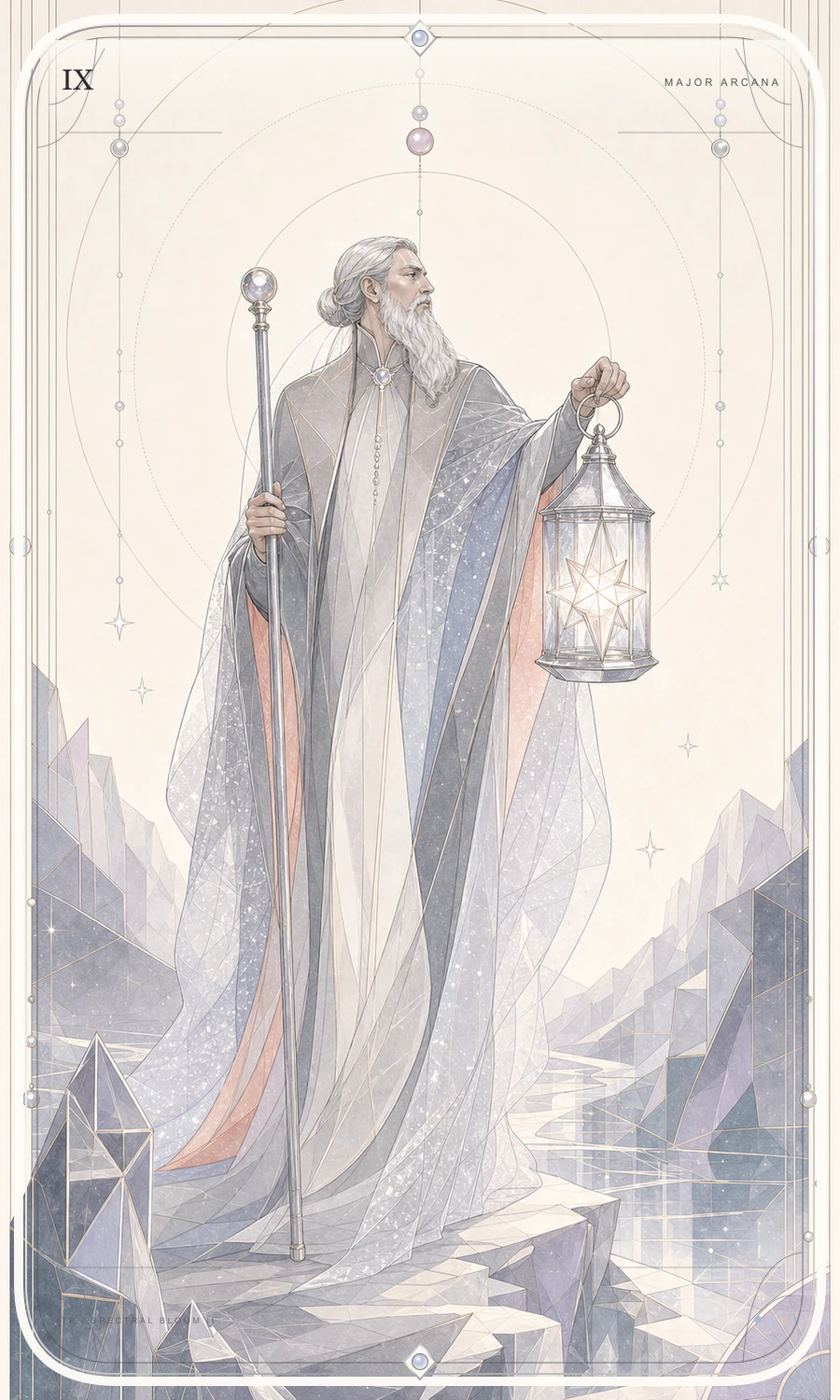
A tarot journal is most useful when it records evidence, uncertainty, and later reflection instead of only beautiful interpretations.
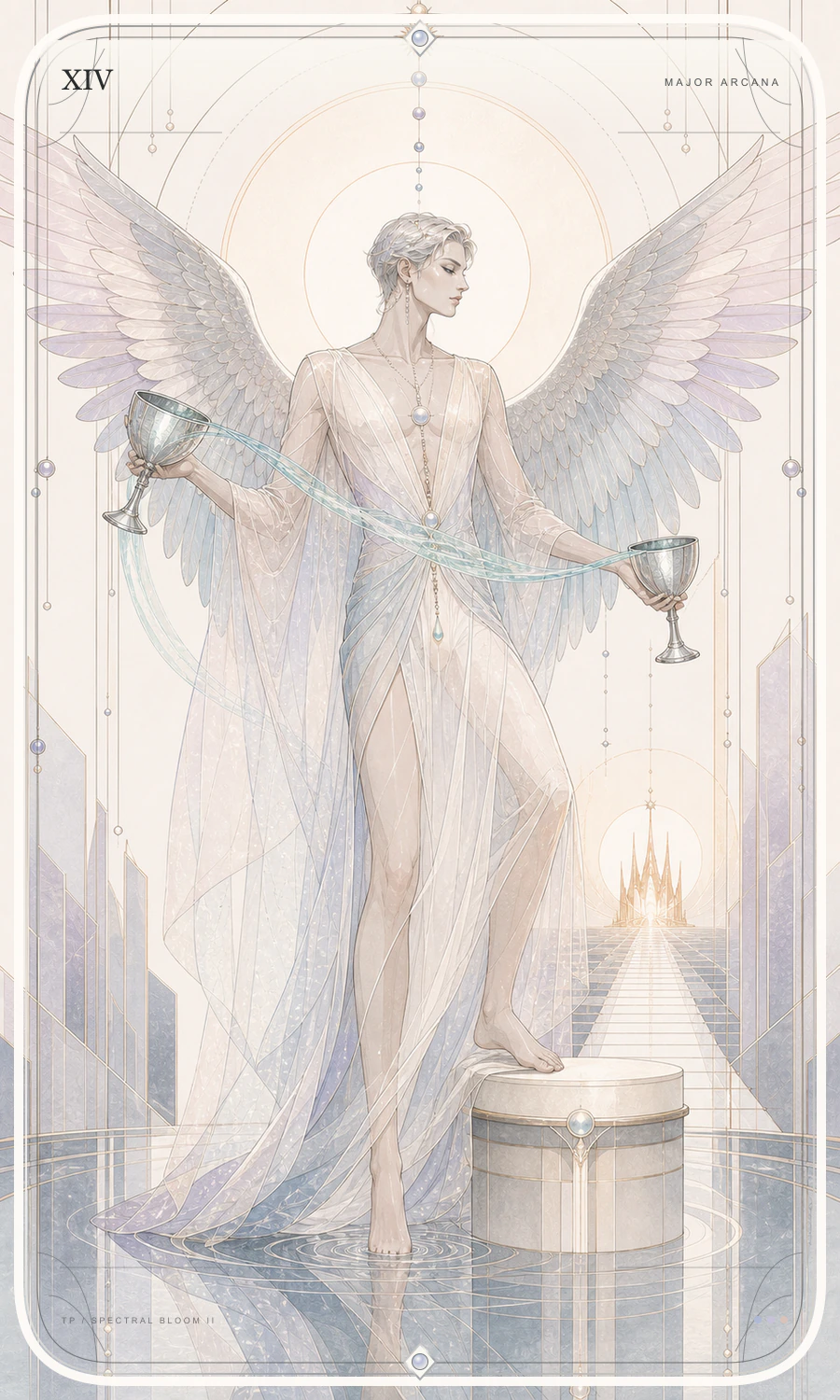
Clear limits protect privacy, agency, and trust. They also produce more focused and useful interpretations.
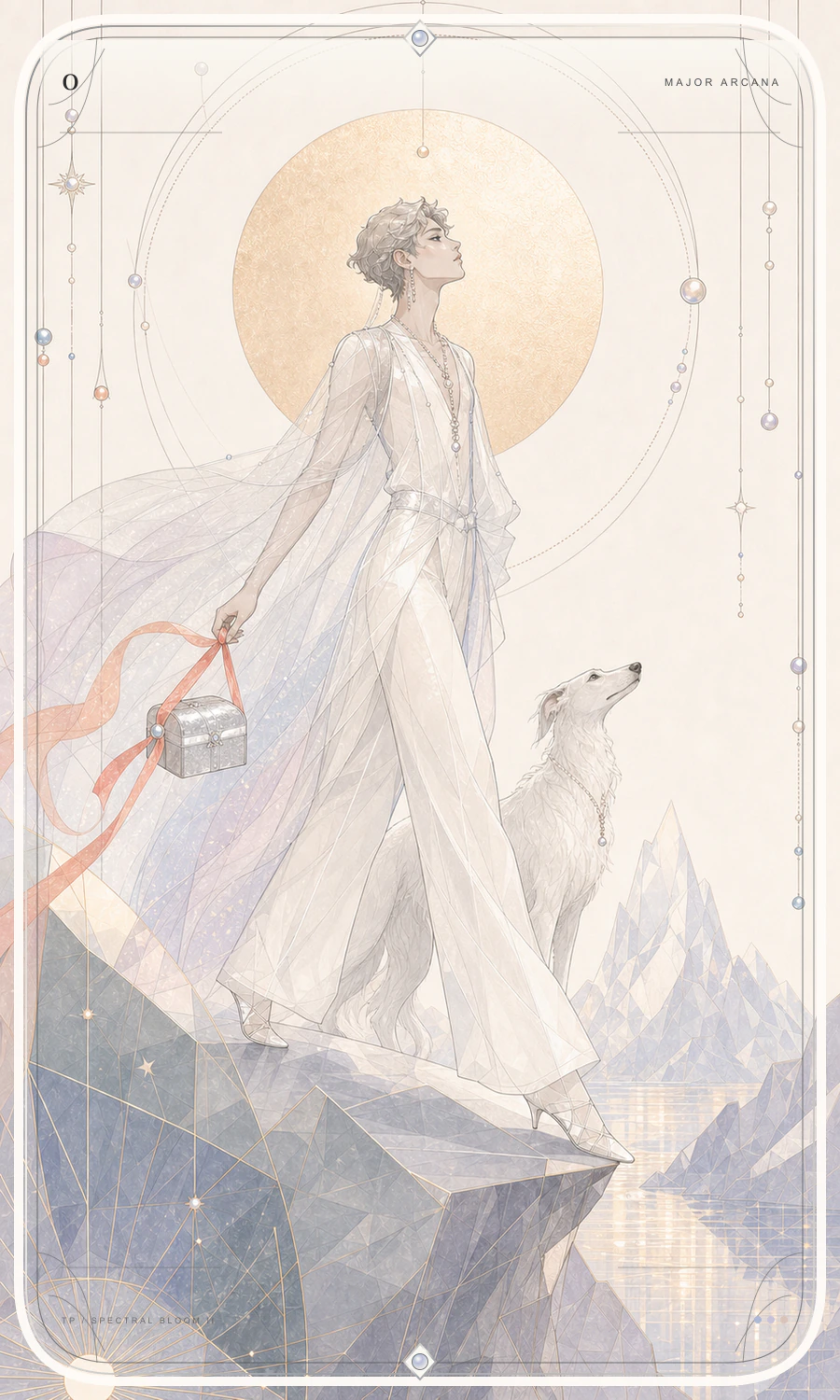
Tarot did not begin as an ancient book of secret predictions. Its visual language grew through games, print, occult reinterpretation, and art.
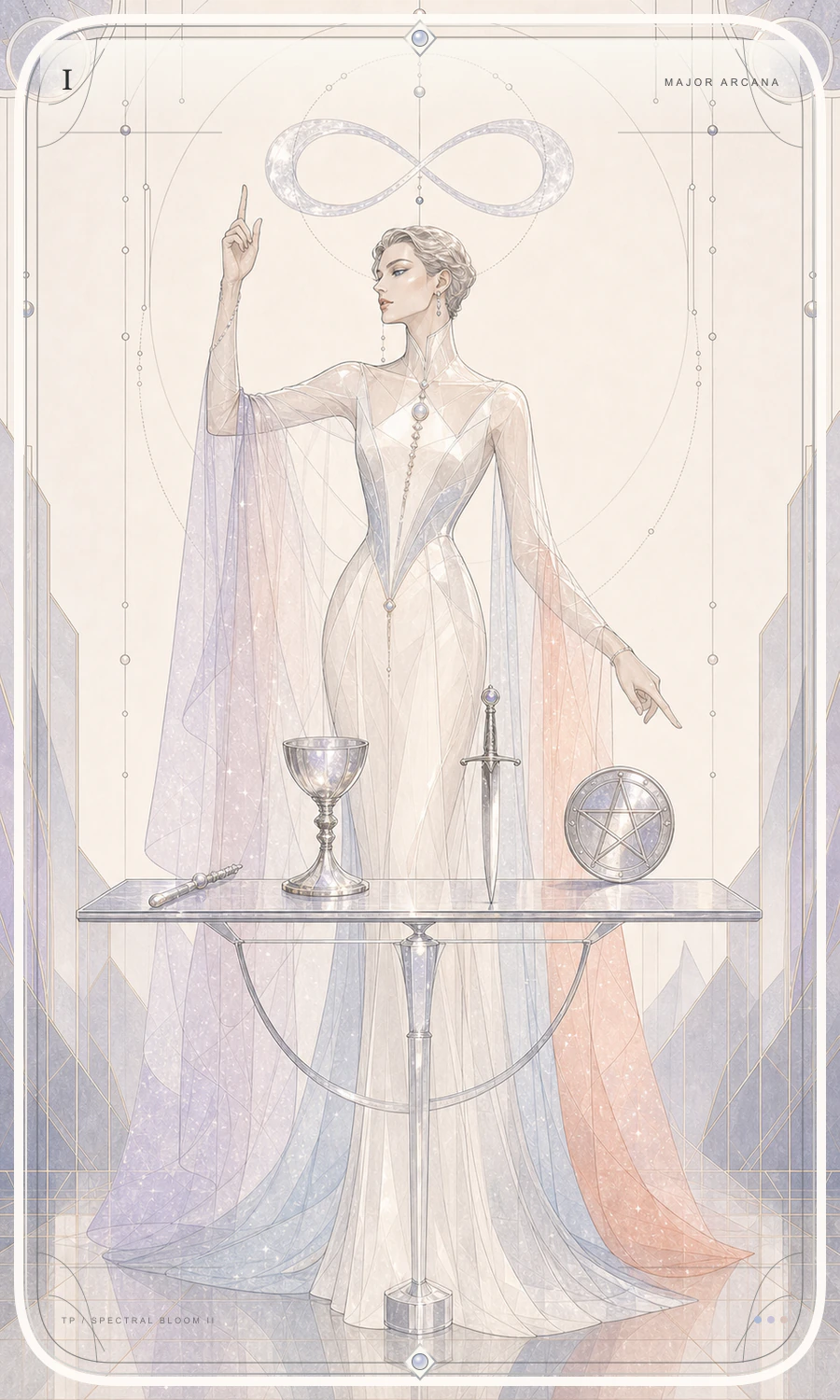
Build a flexible system from image, number, suit, and position so forgotten keywords never stop the reading.
FROM READING TO PRACTICE
THE LETTER