Tarot first appears as a European card game
The earliest documented tarot cards belong to fifteenth-century northern Italy. They expanded familiar suit cards with a Fool and a sequence of illustrated trumps. Surviving luxury decks, including Visconti-associated cards, were painted and gilded objects made for elite play.
This history matters because it separates evidence from later origin myths. Claims that tarot preserved a single ancient Egyptian book became influential in occult writing, but they are not supported by the early card record described by major museum collections.
The 78-card structure combines suits and trumps
The Minor Arcana structure reflects Italian suits: Cups, Swords, Batons or Wands, and Coins or Pentacles. Fourteen cards in each suit create fifty-six cards. Twenty-one trumps plus the Fool create the twenty-two cards now called the Major Arcana.
Early tarot was a trick-taking game. The trump sequence gave images a ranked relationship inside play long before modern divinatory meanings were standardized.
Divination develops much later
Card reading existed with ordinary playing cards, but tarot’s strong association with divination grew in France during the late eighteenth century. Writers and practitioners such as Etteilla helped create dedicated interpretive systems and recast the deck through esoteric frameworks.
Nineteenth-century occultists connected tarot with astrology, Kabbalah, numerology, and ceremonial traditions. These systems were creative historical layers, not evidence that every earlier card maker shared one secret doctrine.
Pamela Colman Smith changes how the Minors are read
The deck created by artist Pamela Colman Smith with Arthur Edward Waite, first published in the early twentieth century, became one of the most influential modern tarot systems. Its fully illustrated numbered suit cards made everyday scenes available for intuitive narrative reading.
Smith’s contribution is essential. The repeated use of the publisher’s and author’s names alone can hide the artist whose compositions shaped much of today’s tarot vocabulary. “Rider-Waite-Smith” better reflects that collaboration.
Artists keep rewriting the visual language
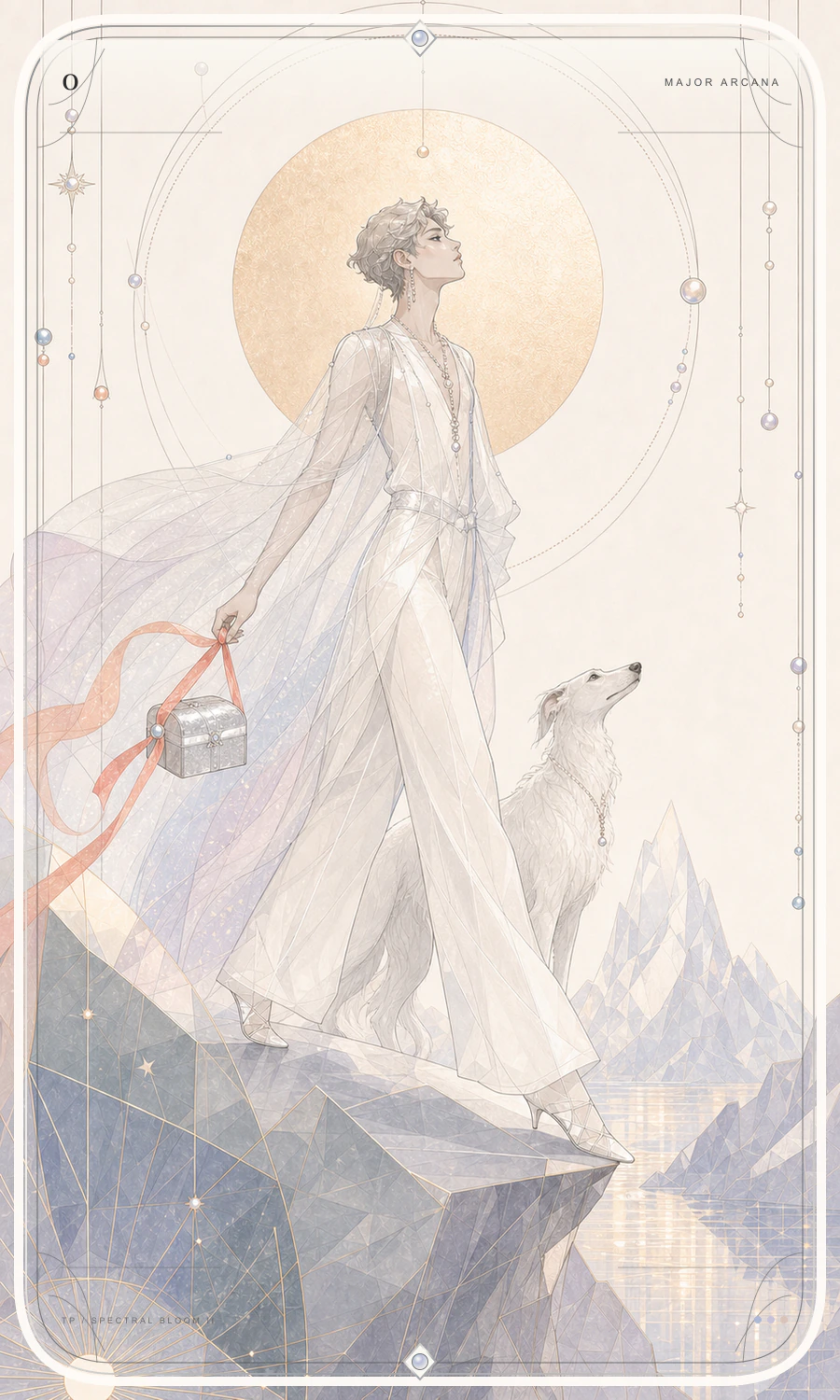
Modern decks relocate tarot into new bodies, cultures, technologies, and art movements. Some preserve the familiar structure while changing every image; others use tarot as a framework for storytelling, activism, or conceptual art rather than divination.
This adaptability explains part of tarot’s longevity. The deck is stable enough to be recognizable and open enough to absorb new visual worlds. Every new deck is also an argument about which symbols deserve to continue.
History makes contemporary reading more honest
Knowing that tarot has changed over time does not make the practice less meaningful. It replaces a fragile claim of timeless certainty with a richer account of art, play, belief, and interpretation.
A modern reflective reading participates in that history. It uses inherited images without pretending they have only one origin or one valid use. The cards remain powerful because people continue to look, compare, question, and create meaning with them.
Sources and further viewing
Historical claims in this essay were checked against museum collection and editorial resources.