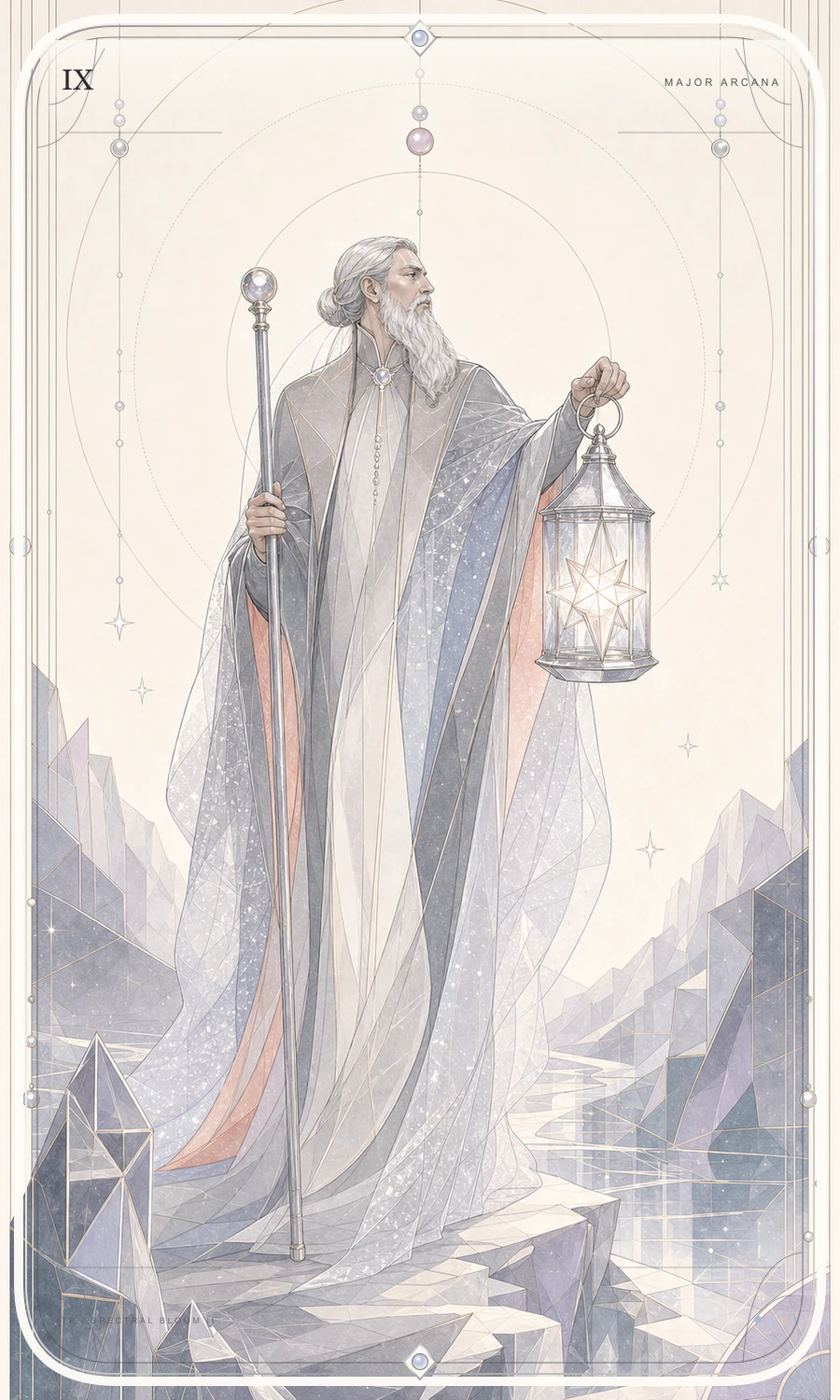
Use the journal as a feedback system
A journal does more than preserve readings. It shows how you form interpretations, where you overreach, and which symbols become personally meaningful over time. Without a later review, confidence can grow faster than accuracy.
The most valuable entry is not always the most elegant. A short record with a clear question, uncertain interpretation, and honest follow-up teaches more than a page written to sound certain.
Record four layers for every reading
Begin with context: date, question, spread, and emotional state. Add observation: what you literally notice in each image. Add interpretation: how the card answers its position. Finish with action: what you will test, change, or watch.
Keep observation and interpretation separate on the page. This lets you return later and see whether the image supported your conclusion or whether an expectation filled in the gap.
- Context: question, timing, spread, and relevant facts.
- Image: figures, gestures, color, direction, and atmosphere.
- Meaning: one sentence per card, written in position.
- Response: one action or reflection, plus a date to review.
Mark confidence instead of performing certainty
Rate each interpretation as clear, tentative, or unclear. Confidence labels make it easier to learn because they preserve your original uncertainty. Later, you can see whether a tentative idea became useful or a confident claim proved unsupported.
When a card feels unreadable, write the confusion itself. “I cannot connect this abundance image to my question about rest” is a valid observation and may reveal a hidden assumption worth exploring.
Return after the situation develops
Schedule a review appropriate to the question: the same evening for a daily card, one week for a conversation, one month for a project phase. Record what changed and which part of the reading remained useful.
Do not score the reading only as right or wrong. Ask whether it improved the question, identified a real pattern, supported a better action, or created unnecessary fear. Usefulness and accuracy have more than one dimension.
Build a personal symbol index
Reserve several pages for recurring symbols: water, thresholds, animals, weather, hands, architecture, and direction. Note the traditional association, your immediate response, and examples from actual readings.
Personal symbolism should deepen, not erase, shared card structure. If water always makes you anxious, that matters; Cups still retain their relationship to emotion and connection. Hold both levels together.
Review patterns monthly
Once a month, count repeated cards, suits, question types, and emotional tones. More importantly, review repeated actions. If the journal keeps recommending a conversation you never have, the central pattern may be avoidance rather than divination.
End the review with one adjustment to the practice: ask narrower questions, use fewer clarifiers, record more visual detail, or take a week without cards. A journal should change how you read.